Deep plane facelift London
Natural deep plane facelift surgery in Harley Street, London
Key Facts
Procedure: deep plane facelift
How it works: lifting of the facial muscles and removing skin excess
Anaesthesia: general anaesthesia
Hospital stay: day-case procedure
Recovery time: approximately 2-3 weeks
Results: progressive improvement over several months
Lasts: often 10-15 years
Advanced facial rejuvenation by Dr Gino Vissers
A deep plane facelift is widely regarded as one of the most advanced techniques in facial rejuvenation surgery. Unlike traditional facelift methods that primarily tighten skin, a deep plane facelift restores youthful facial contours by repositioning the deeper facial structures responsible for sagging, jowls and loss of definition.
At his private Harley Street clinic in London, Dr Gino Vissers performs bespoke deep plane facelift surgery designed to achieve elegant, natural-looking rejuvenation while preserving facial identity.
Using advanced surgical techniques and meticulous attention to facial anatomy, Dr Vissers creates results that appear refreshed rather than operated upon.
Patients often choose a deep plane facelift to restore:
- Sagging cheeks
- Jowls along the jawline
- Loss of jawline definition
- Loose neck skin
- A tired or aged facial appearance
- Facial volume descent associated with ageing
The goal is not to change how you look. The goal is to help you look like a fresher, younger version of yourself.
What is a deep plane facelift?
A deep plane facelift is an advanced facelift technique designed to address the deeper causes of facial ageing rather than simply tightening skin. It lifts and repositions the deeper tissues of the face, including the SMAS layer (Superficial Muscular Aponeurotic System) and ligaments, rather than simply tightening the skin. By addressing ageing at its structural level, this technique provides a more dramatic yet entirely natural rejuvenation, softening jowls, lifting the mid-face, and restoring youthful definition along the jawline and cheeks.
As we age, gravity, collagen loss and weakening facial support structures cause the cheeks to descend, folds to deepen and the jawline to lose definition.
The deep plane facelift works by releasing key facial retaining ligaments and lifting the skin together with the underlying SMAS layer and facial fat compartments as one continuous unit.
This allows more natural repositioning of facial tissues without placing excessive tension on the skin.
Because the lift occurs within deeper facial layers, patients often achieve longer-lasting and more natural outcomes compared with older skin-tightening techniques.
Deep plane facelift vs. Traditional facelift: What's the difference?
Many patients searching for facelift surgery in London ask about the differences between techniques.
Older facelift techniques mainly tighten skin and provide limited correction of deeper facial descent. While improvement can occur, excessive skin tension may occasionally create an unnatural or "pulled" appearance. For many patients, the deep plane facelift is considered the modern gold standard in facial rejuvenation surgery.
| Deep plane facelift | Traditional facelift | |
|---|---|---|
| Primary focus | Repositions deeper facial structures and descended soft tissues | Primarily tightens skin and superficial tissues |
| Surgical plane | Works beneath the SMAS layer and elevates skin and deeper tissues together | Usually lifts skin with limited deeper tissue repositioning |
| What is corrected | Treats underlying causes of ageing | Mainly addresses visible skin laxity |
| Neck improvement | Frequently improves neck contour when combined with neck rejuvenation | Can improve neck laxity but often less comprehensively |
| Natural appearance | Designed to preserve natural facial movement and avoid a “pulled” look | Older techniques may occasionally appear tighter or less natural |
| Longevity of results | Often 10–15 years | Commonly 5–10 years |
| Best suited to | Patients seeking comprehensive facial rejuvenation | Patients with milder ageing concerns or selected facial laxity patterns |
| Can be combined | Yes, frequently combined with eyelid surgery, brow lift or neck lift surgery | Yes, frequently combined with eyelid surgery, brow lift and fat grafting |
Signs you may need a deep plane facelift
A deep plane facelift is an excellent procedure for anyone who wants to tighten and rejuvenate the mid and lower part of their face, as well as correct the underlying structural causes.
During your consultation, Dr. Gino Vissers will assess your skin elasticity and facial anatomy, and determine whether you are a good candidate for a deep plane facelift.
A deep plane facelift can improve any of the following concerns:
- Sagging skin in the lower face
- Jowls along the jawline
- Loss of jawline definition
- Loose skin in the neck and banding
- A tired or aged facial appearance
- Loose skin following weight loss
Deep plane facelift surgery is often combined with additional facial rejuvenation procedures to create a balanced and harmonious result:
Preparing for a deep plane facelift
Getting ready for your deep plane facelift is just as important as the surgery itself. A little preparation goes a long way in making your recovery smoother, more comfortable, and stress-free. Here are some simple steps to help you feel confident and ready:
Follow your surgeon's guidance
Dr Vissers will give you clear instructions to follow before surgery, such as pausing certain medications, supplements, smoking, or alcohol. These steps are all designed to keep you safe and help your body heal quickly, so think of them as part of your recovery plan.
Arrange support for after surgery
You’ll need someone you trust to take you home after your procedure, since you won’t be able to drive yourself. It’s also helpful to have a friend or family member nearby for the first day or two, just in case you need an extra hand. Give yourself permission to take a proper break from work and daily tasks so you can focus on resting.
Create a comfortable recovery space
Before your surgery, set up a cozy spot at home where you can relax. Keep a few extra pillows ready to support your head, and have ice packs available to ease any swelling. Place everything you might need, like your medication, gauze, and ointment, within easy reach so you don’t have to get up too often.
What happens during deep plane facelift surgery?
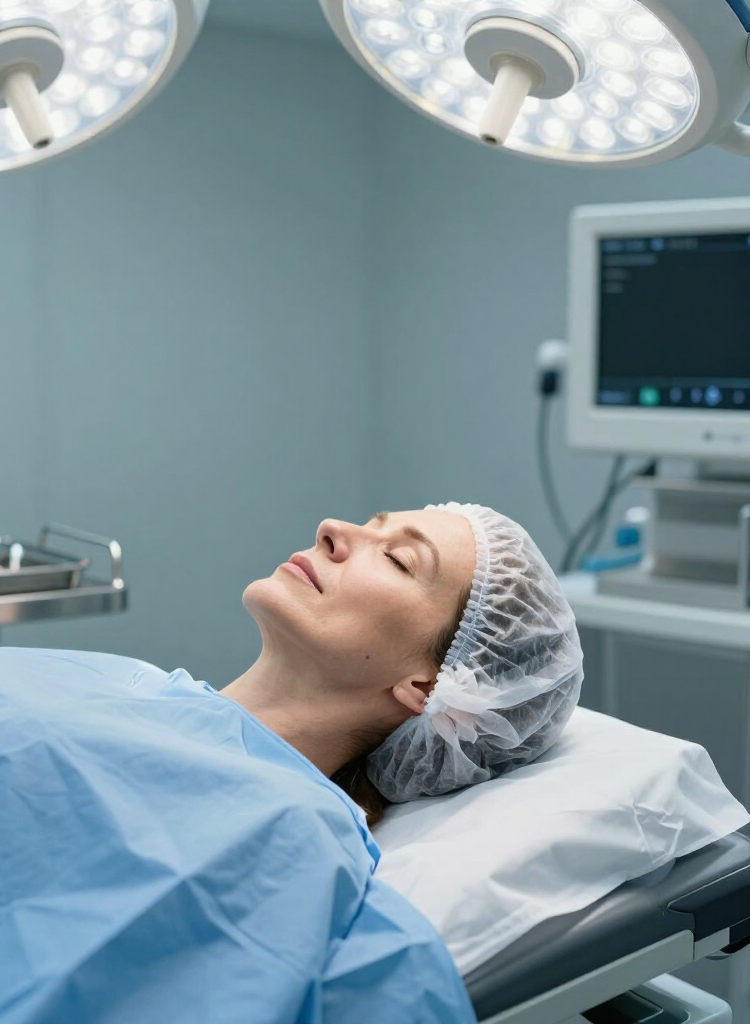
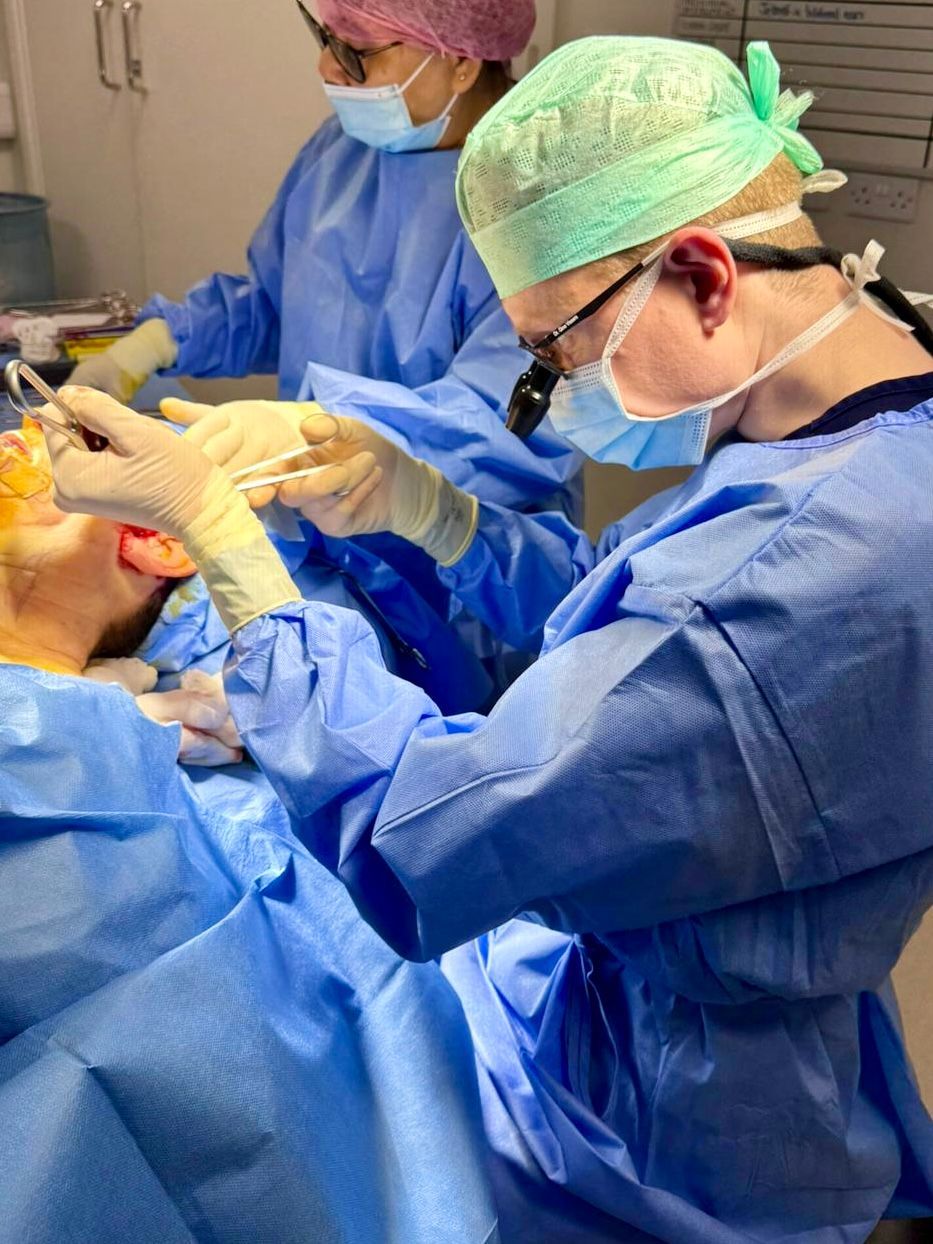
Deep plane facelift surgery is performed under general anaesthesia. The surgery takes 4-6 hours, depending on the extend and complexity.
During the procedure, Dr. Gino Vissers will make discreet incisions, carefully hidden around the hairline and ears, to minimise visible scarring.
The procedure involves:
- Precise release of facial retaining ligaments
- Elevation of deeper facial tissues
- Repositioning descended facial fat compartments
- Jawline refinement
- Neck contour improvement when required
- Conservative skin redraping without excessive tension
Unlike older facelift techniques, the objective is structural restoration rather than skin tightening.
Why choose Dr. Gino Vissers for a deep plane facelift in London?
Choosing the right surgeon is the most important decision when considering a deep plane facelift.
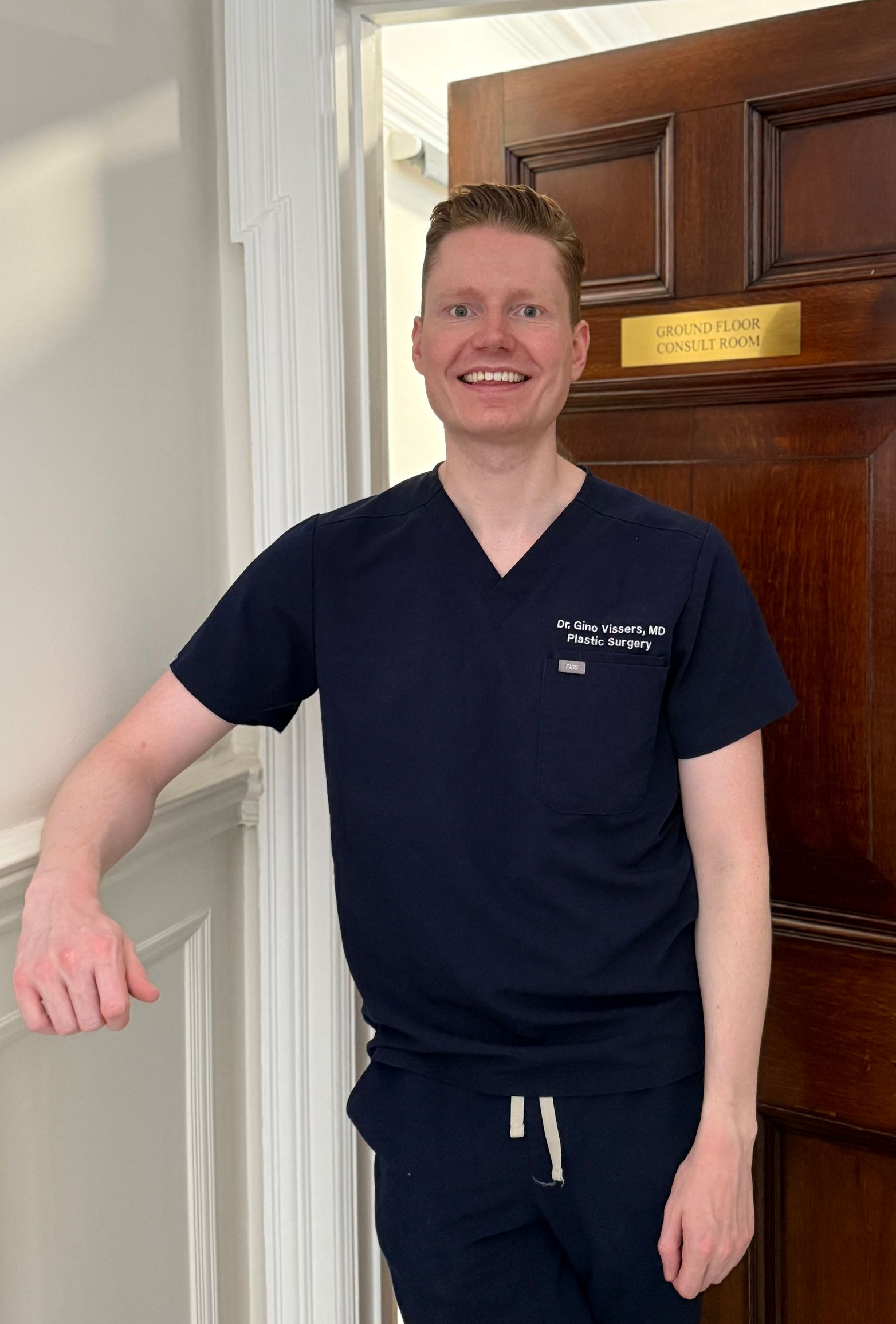
Dr Gino Vissers is a triple board-certified consultant plastic surgeon based on Harley Street in London with specialist expertise in facial surgery and facial reconstruction.
Patients choose Dr Gino Vissers for:
- Advanced facial surgical expertise
- Natural aesthetic philosophy
- Bespoke surgical planning
- International specialist training
- Impeccable 5.0 stars patient reviews
- Meticulous surgical technique
- Personalised aftercare
Dr Gino Vissers focuses on delivering refined facial rejuvenation while preserving natural facial identity.
Recovery after a deep plane facelift
Recovery after a deep plane facelift involves some downtime. Patients will need to take about 2-3 weeks off from work to rest and recover. Expect some swelling and bruising that will build over the first few days, then diminish, and slowly fade over the next 1-2 weeks.
A dressing will be in place following your surgery, and you will be seen by Dr. Gino Vissers within the first few days of your surgery to change the dressing. Discomfort will be minimal and can be relieved with pain medication. Most patients are back to full activity within 3 weeks. It may take up to a few months before the swelling has completely settled.
Dr. Gino Vissers will provide detailed post-operative instructions to promote optimal healing and ensure a smooth and comfortable recovery process.
Recovery timeline after a deep plane facelift
Days 1 to 3
A deep plane facelift is typically performed as a day-case procedure, meaning patients return home the same day. During the first few days, it is normal to experience:
- Mild to moderate swelling of the face and neck
- Bruising around the cheeks, jawline, and neck
- Tightness or a sensation of firmness
- Mild discomfort or tenderness
- Temporary numbness around the ears, cheeks, or neck
- Mild fatigue or reduced energy levels
Patients are advised to keep the head elevated at all times, including during sleep, and to avoid bending, heavy lifting, or strenuous activity. Cold compresses may help during the early phase of recovery if advised by your surgeon. Prescribed medication should be taken as directed.
It is important to rest during this initial healing period and avoid smoking, alcohol, and anything that may increase swelling or impair healing.
Days 4 to 7
Swelling and bruising are usually most noticeable during the first week before gradually starting to improve. Patients often begin to feel more comfortable during this period, although tightness and swelling remain completely normal.
Dressings are typically removed within the first few days after surgery, and sutures may be removed between 3 and 10 days depending on the surgical technique used.
Short gentle walks are encouraged to promote circulation, but strenuous activity and exercise should still be avoided. Most patients continue spending the majority of this week recovering at home.
Weeks 1 to 2
During the second week after deep plane facelift surgery, swelling and bruising continue to improve significantly. Many patients start to feel more confident socially and begin returning to light daily activities.
At this stage:
- The jawline and facial contours become more visible
- Bruising can often be concealed with makeup
- Most patients feel comfortable returning to non-physical work after approximately 10 to 14 days
- Residual tightness and mild numbness are still common
Patients should continue avoiding strenuous exercise, heavy lifting, excessive sun exposure, and activities that significantly raise blood pressure during this stage of healing.
Weeks 2 to 4
Residual swelling continues to settle progressively over the following weeks, and facial contours become increasingly refined and natural in appearance.
Most patients can gradually resume:
- Light exercise
- Social activities
- Driving
- Most normal daily routines
Scars may still appear pink or firm during this stage, but they generally continue improving steadily over time. The face typically begins to look fresher, more rested, and rejuvenated while still appearing natural and recognisable.
Around 6 Weeks
By six weeks after deep plane facelift surgery, most patients have returned fully to their normal lifestyle and exercise routine. The majority of swelling has resolved, and the jawline and neck look significantly more defined and rejuvenated.
After 3 to 6 Months
Final deep plane facelift results continue developing gradually over several months as the deeper tissues soften and settle fully into their new position. Patients typically notice a fresher, firmer, and more youthful appearance while still looking entirely like themselves. Modern facelift techniques aim to achieve elegant, natural-looking rejuvenation without an artificial or over-tightened appearance.
Book your deep plane facelift with a leading plastic surgeon in London
Looking for a consultant plastic surgeon in Harley Street with an expertise in deep plane facelift surgery? Dr. Gino Vissers is ready to help you look and feel your best.
Call 020 375 00 422 or get in touch today to explore treatments and pricing.